

Overview
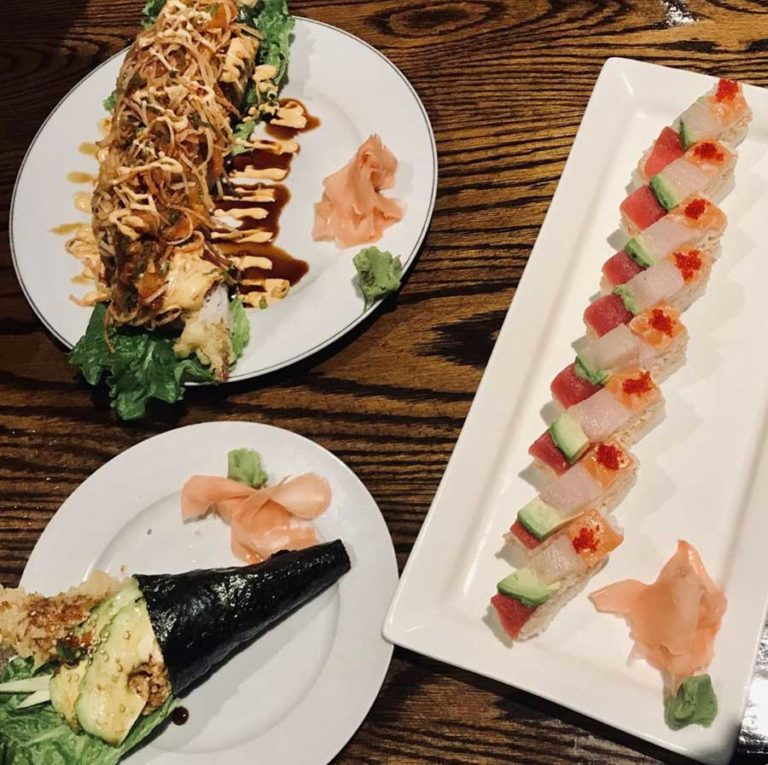
Asian food encompasses a wide range of culinary traditions from East, Southeast, and South Asia, including dishes like sushi, stir-fries, curries, and dumplings. It is widely considered healthy due to its emphasis on fresh vegetables, lean proteins, rice or noodles, and nutrient-preserving cooking methods such as steaming and stir-frying. Herbs and spices like ginger, garlic, and turmeric add flavor and potential health benefits. While not all Asian dishes are low in fat or sodium, choosing meals with grilled or steamed proteins, plenty of vegetables, and moderate sauces can provide balanced, nutritious, and flavorful meals.
What Is Asian Food?
Asian cuisine includes a wide range of culinary traditions from countries such as Japan, China, Thailand, Vietnam, Korea, and many others. While each culture has its own distinctive flavors, ingredients, and cooking techniques, many “Asian cuisines” share common elements and approaches to preparing balanced, flavorful meals.
These include the use of rice or noodles as a staple, fresh vegetables, seafood, and balanced seasonings. Cooking methods often focus on preserving the natural flavor and nutrients of ingredients.
Popular examples of Asian dishes include:
- Sushi and sashimi
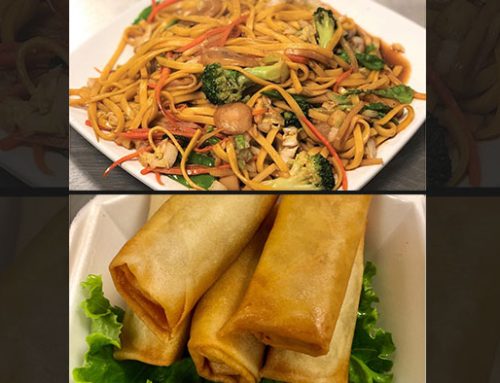
- Stir-fried noodles
- Rice bowls
- Teriyaki dishes
- Vegetable stir-fries
- Dumplings and soups
Each region brings unique ingredients and cooking styles, resulting in a wide variety of tastes and textures.
Common Ingredients in Asian Cuisine
Asian dishes often rely on fresh, wholesome ingredients that contribute to their nutritional value.
Rice and Noodles
Rice is a staple food in many Asian countries. It serves as the base for many meals and pairs well with vegetables, seafood, and meats. Noodles made from wheat, rice, or buckwheat are also widely used in soups and stir-fry dishes.
Fresh Vegetables
Many Asian dishes feature vegetables such as bok choy, carrots, cabbage, mushrooms, bell peppers, and leafy greens. These ingredients contribute essential vitamins, minerals, and dietary fiber, supporting overall nutrition while adding natural flavor, color, and texture to meals.
Lean Proteins
Fish, tofu, chicken, and seafood are common protein sources in Asian cuisine. These options often contain less saturated fat compared to heavily processed meats.
Flavorful Seasonings
Ingredients like soy sauce, ginger, garlic, sesame oil, and chili paste add depth of flavor without requiring excessive fats.
Why Is Asian Food Considered Healthy?
Asian cuisine is often regarded as healthy because it emphasizes balance, freshness, and moderate portions.
- Emphasis on Fresh Ingredients
- Balanced Meals
- Cooking Methods That Preserve Nutrients
- Variety of Plant-Based Foods
- Moderate Portion Sizes
Many traditional Asian dishes are prepared using fresh vegetables, herbs, and lean proteins. Fresh ingredients typically retain more nutrients and offer natural flavors without relying on heavy processing.
Asian meals often combine carbohydrates, proteins, and vegetables in a single dish. Rice or noodles provide energy, while vegetables and proteins add nutrients and satisfaction.
Common cooking techniques include steaming, stir-frying, and grilling. These methods typically require less oil and help preserve the texture and nutrients of ingredients.
Vegetables, tofu, and plant-based ingredients play a significant role in many Asian dishes. This variety contributes to a diet rich in fiber and essential nutrients.
Traditional Asian meals often focus on smaller portions served with multiple dishes. This encourages mindful eating and balanced consumption.
Popular Healthy Asian Dishes
Many Asian dishes are naturally nutrient-rich and balanced. Examples include:
Sushi – Often made with fish, vegetables, and rice.
Stir-fried vegetables – Lightly cooked vegetables retain nutrients and flavor.
Rice bowls – Combine lean protein, vegetables, and grains.
Teriyaki salmon or chicken – Offers protein with balanced seasoning.
Vegetable dumplings – Provide plant-based ingredients in a small portion.
These meals are a combination of protein, carbohydrates, and vitamins.
The Role of Herbs and Spices
Herbs and spices are essential in Asian cooking. Ingredients like ginger, garlic, turmeric, and chili peppers not only enhance flavor but may also provide potential health benefits.
For example:
- Ginger is often used to support digestion.
- Garlic may support cardiovascular health.
- Turmeric contains compounds with antioxidant properties.
Using herbs and spices allows dishes to be flavorful without relying on heavy sauces or excessive salt.
Is All Asian Food Healthy?
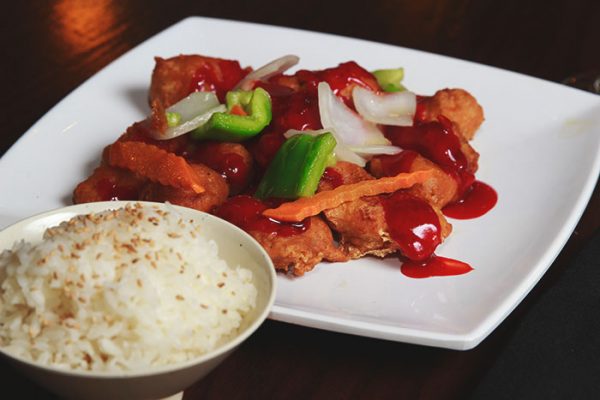
While many Asian dishes are nutritious, not every preparation method guarantees a healthy meal. Some dishes may contain fried ingredients, high-sodium sauces, or sugary glazes.
To maintain a balanced meal, consider choosing dishes with:
- Grilled or steamed proteins
- Plenty of vegetables
- Moderate sauce portions
- Whole ingredients rather than heavily processed items
Selecting these options helps preserve the nutritional benefits associated with traditional Asian cuisine.
Cultural Significance of Asian Cuisine
Asian food reflects centuries of cultural traditions and culinary craftsmanship. Meals often focus on harmony between flavors, textures, and ingredients. Sweet, salty, sour, and spicy elements are carefully balanced to create satisfying dishes.
Presentation also plays an important role. Many dishes are arranged thoughtfully to highlight freshness and visual appeal.
This attention to balance extends beyond taste and reflects the broader philosophy of mindful and balanced eating.
Closing Thoughts
Asian food reflects a diverse culinary tradition built on fresh ingredients, balanced flavors, and thoughtful cooking methods. Many dishes include vegetables, lean proteins, rice, and light seasonings, which can make them a nutritious choice when prepared with care.
However, the health benefits of Asian cuisine depend on the ingredients and preparation methods used. Choosing meals with fresh vegetables, lean proteins, and moderate sauces can help maintain the nutritional balance often associated with traditional Asian cooking.
To experience a variety of flavorful Asian dishes prepared with quality ingredients, visit Asia Garden.
Frequently Asked Questions
Q1.What is Asian food?
Asian food includes a wide range of culinary traditions from countries like Japan, China, Thailand, Vietnam, and Korea. It features dishes such as sushi, stir-fries, curries, dumplings, and rice bowls. Each cuisine emphasizes fresh ingredients, unique flavors, and cooking methods designed to balance taste, nutrition, and presentation.
Q2.Why is Asian food considered healthy?
Asian cuisine is considered healthy because it emphasizes fresh vegetables, lean proteins, and balanced meals. Cooking methods like steaming, stir-frying, and grilling preserve nutrients while using less oil. Herbs and spices add flavor and health benefits, making meals satisfying, nutritious, and lower in processed ingredients compared to many Western foods.
Q3.What are the common ingredients in Asian cuisine?
Common ingredients include rice, noodles, fresh vegetables, seafood, tofu, chicken, and lean meats. Flavorful seasonings like soy sauce, garlic, ginger, sesame oil, and chili paste are widely used. These ingredients provide essential vitamins, minerals, fiber, and protein while allowing for vibrant, balanced, and nutrient-rich meals.
Q4.What cooking methods are used in Asian cuisine?
Asian cooking often uses steaming, stir-frying, grilling, and boiling. These methods preserve the natural flavors and nutrients of ingredients while using less oil. Light cooking techniques ensure vegetables remain crisp, proteins retain texture, and meals are flavorful, balanced, and healthier than deep-fried or heavily processed alternatives.
Q5.Which Asian dishes are naturally healthy?
Healthy Asian dishes include sushi, vegetable stir-fries, rice bowls with lean proteins, teriyaki salmon or chicken, and vegetable dumplings. These dishes combine carbohydrates, protein, and vitamins, offering a balanced meal with moderate portions, fresh ingredients, and minimal heavy sauces, making them nutritious and satisfying options.
Q6.How do herbs and spices contribute to health in Asian food?
Herbs and spices like ginger, garlic, turmeric, and chili peppers enhance flavor without adding excessive fat or salt. They may also provide health benefits, including supporting digestion, cardiovascular health, and antioxidant protection. Using these ingredients allows meals to be flavorful while boosting their nutritional value naturally.
Q7.Why do Asian meals often have smaller portions?
Traditional Asian meals focus on smaller portions served with multiple dishes. This encourages mindful eating, allowing people to enjoy a variety of flavors and textures while controlling calorie intake. Smaller servings paired with balanced ingredients help maintain nutrition without overeating, supporting overall health and well-being.
Q8.Can Asian food help with weight management?
Yes, Asian meals can support weight management. Dishes emphasizing fresh vegetables, lean proteins, and moderate portions provide essential nutrients while controlling calories. Using cooking methods like steaming or stir-frying minimizes excess fats, making it easier to enjoy flavorful, satisfying meals without overconsumption or unhealthy ingredients.
Q9.How can I make my Asian meals healthier at home?
To make Asian meals healthier, focus on fresh vegetables, lean proteins, and whole ingredients. Use steaming, stir-frying, or grilling instead of frying, and moderate sauces to reduce sodium and sugar. Including herbs and spices enhances flavor naturally, creating balanced, nutritious meals while preserving the traditional health benefits of Asian cuisine.
Q5.What’s the best insulation for soundproofing a basement ceiling?
Mineral wool is ideal for soundproofing due to its dense composition and sound-absorbing qualities.



Leave A Comment